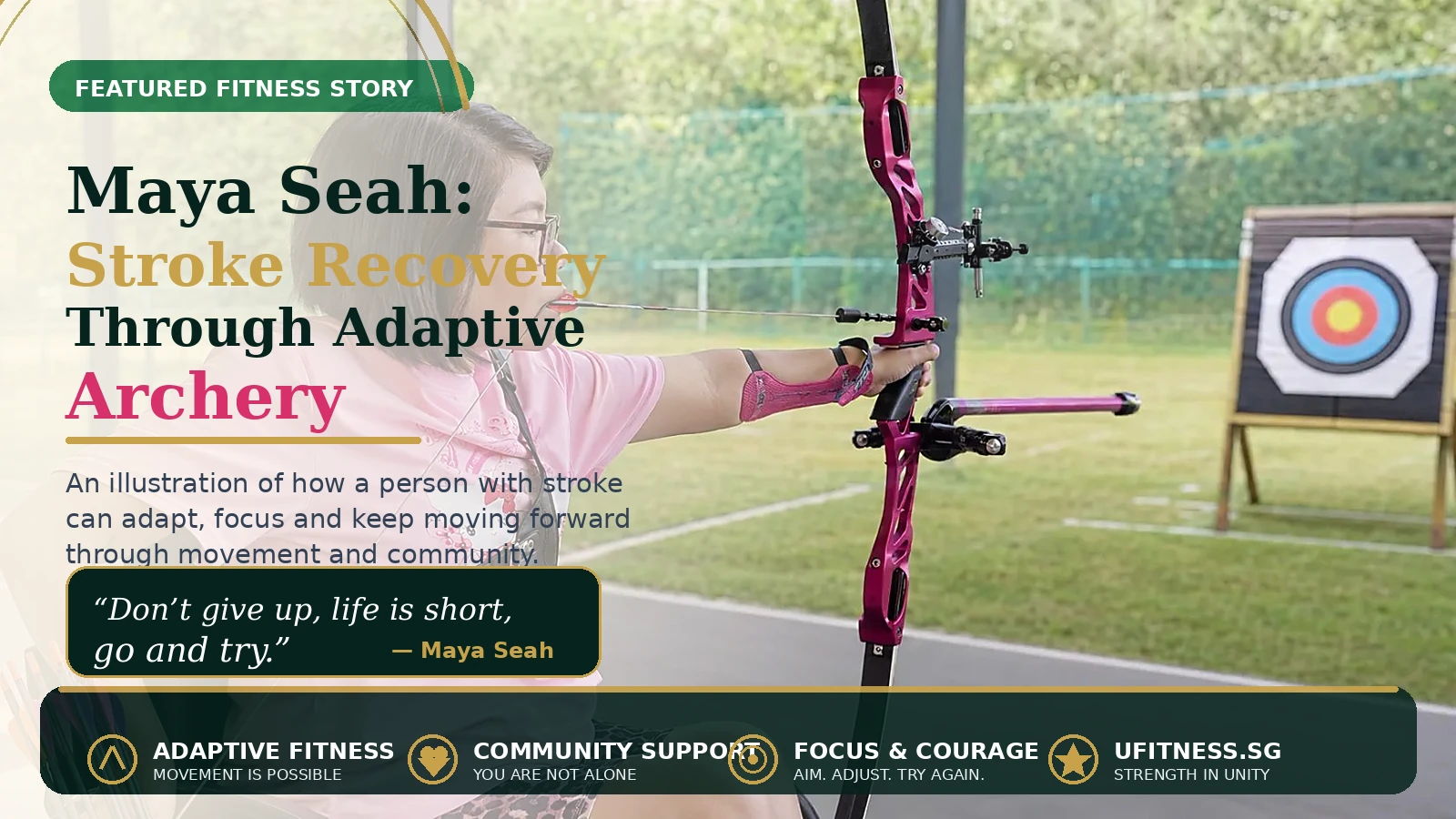
Fitness is not always about performance, appearance or personal records. Sometimes, fitness is about rebuilding speech. Sometimes, it is about learning to write again. Sometimes, it is about standing, walking, rowing, joining a class, entering a gym, sitting in a dragon boat, or picking up a bow in adaptive archery.
“Don’t give up, life is short, go and try.”
A Story of Purpose, Resilience and Gratitude
Maya Seah describes herself simply and powerfully: “I am Maya S., a stroke survivor who believes in living life with purpose, resilience and gratitude.”
Her journey is not about being defined by stroke. It is about rebuilding life with courage, movement, community support and the willingness to try again.
Life Before Stroke
Before her stroke, Maya worked in the building industry. Her lifestyle was active, stressful, busy, site-based and people-facing. It was not a quiet office-based routine.
She moved around, handled responsibilities, interacted with people and lived an active working life. Walking was also part of her lifestyle.
Like many people, life was moving forward normally until everything changed unexpectedly.
The Sudden Turning Point
Maya suffered a basal ganglia haemorrhagic stroke and went into a coma. When she woke up, more than a month had passed.
The stroke affected her ability to listen, speak, move and feel. Half of her body was paralysed. Communication became difficult. At one stage, she could only respond with “yes” or “no”.
Her memory of the early period after the stroke was not always clear. Some days were better. Some days were harder.
Relearning Speech, Writing and Confidence
Recovery was not simple. For Maya, one of the hardest daily tasks to relearn was speech. Another was writing with her left hand. She practised again and again.
When asked what milestone made her feel, “I am getting better,” Maya answered honestly: “Yes, everything! I am getting a little better but it’s never be the same.”
That sentence carries the truth of recovery. It is not about pretending everything becomes easy again. It is about recognising every small step forward.
Fitness After Stroke: Confidence, Independence and Hope
Before stroke, fitness may have meant general health, walking and staying active. After stroke, fitness took on a deeper meaning.
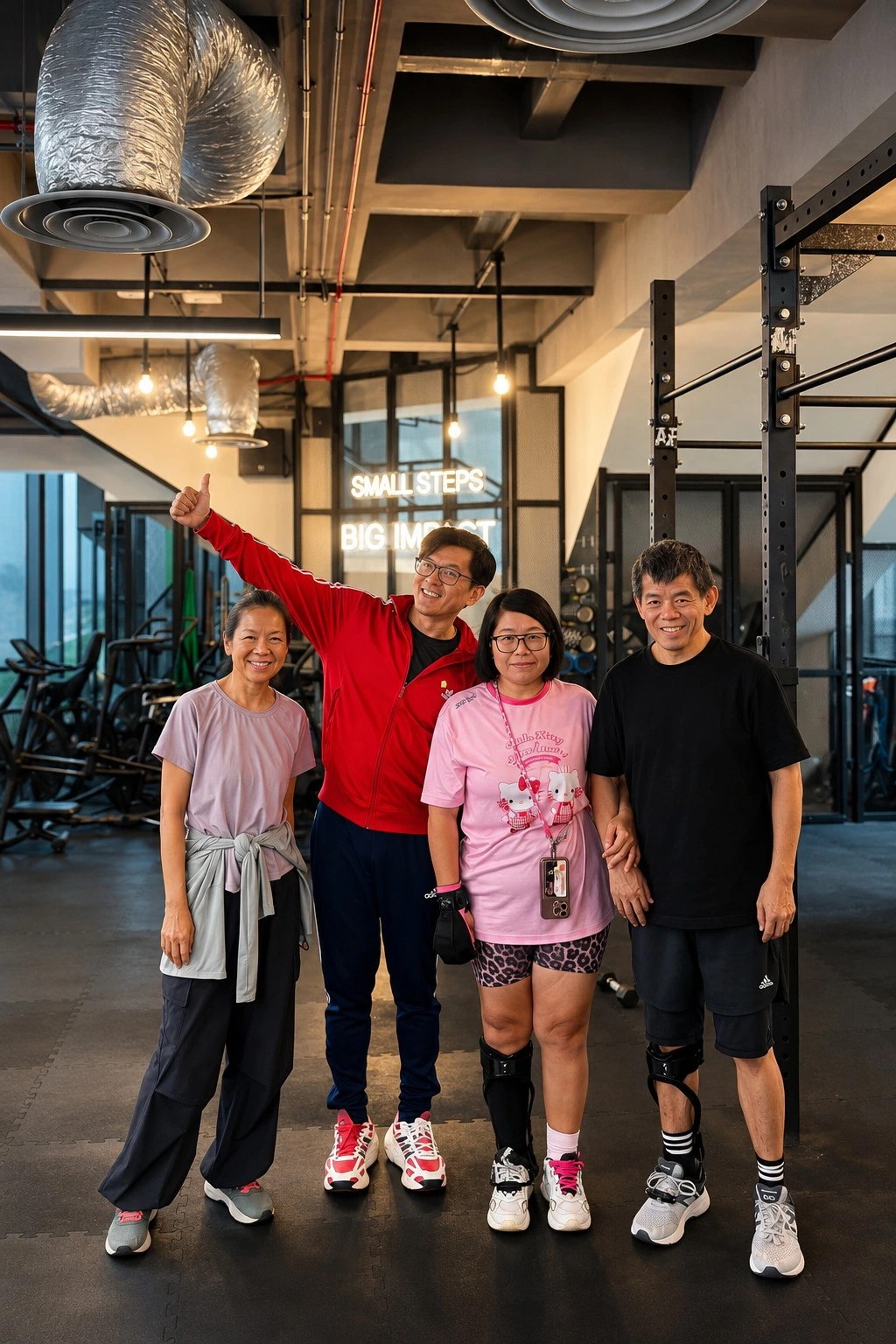
For Maya, movement became connected to confidence, independence, community and hope. She continues to stay active through Concept2 RowErg, imPact Adaptive Fitness, Paradragon, adaptive archery, Piloxing SSP Lite and walking.
Adaptive Archery: Aim, Adjust, Try Again
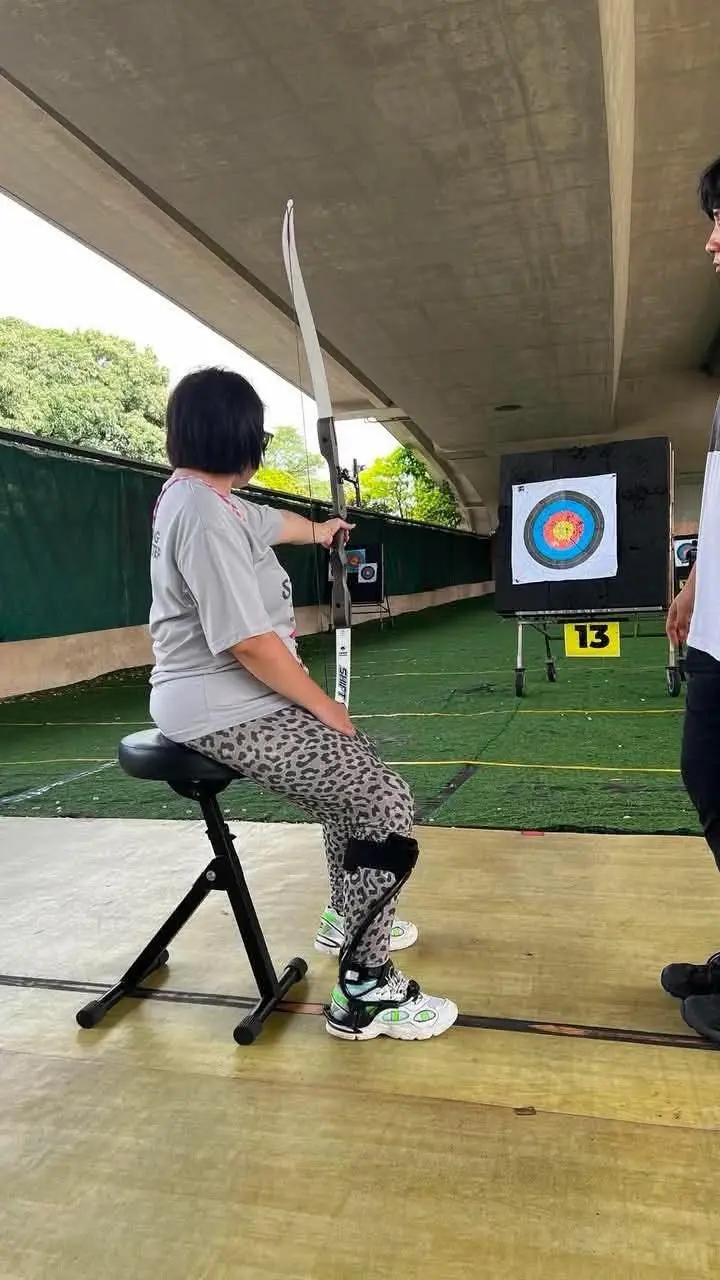
Adaptive archery is one of the most visually powerful parts of Maya’s story. It shows concentration, adaptation and courage.
The bow, the target and the moment of focus become a quiet symbol of recovery: aim, adjust, try again.
Community Support: Not Walking Alone
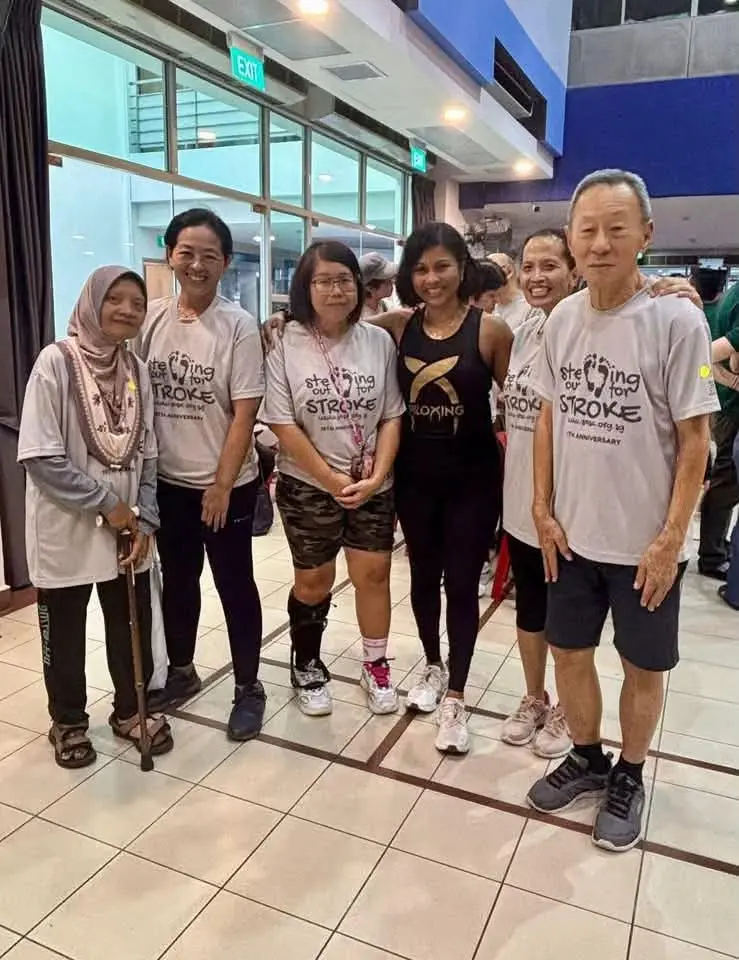
Recovery can feel lonely when a person faces changes in speech, mobility, memory, confidence and independence. That is why community matters.
Maya shared that family members, therapists, healthcare professionals, friends and community members encouraged her along the way.
Paradragon: Teamwork, Belonging and Courage
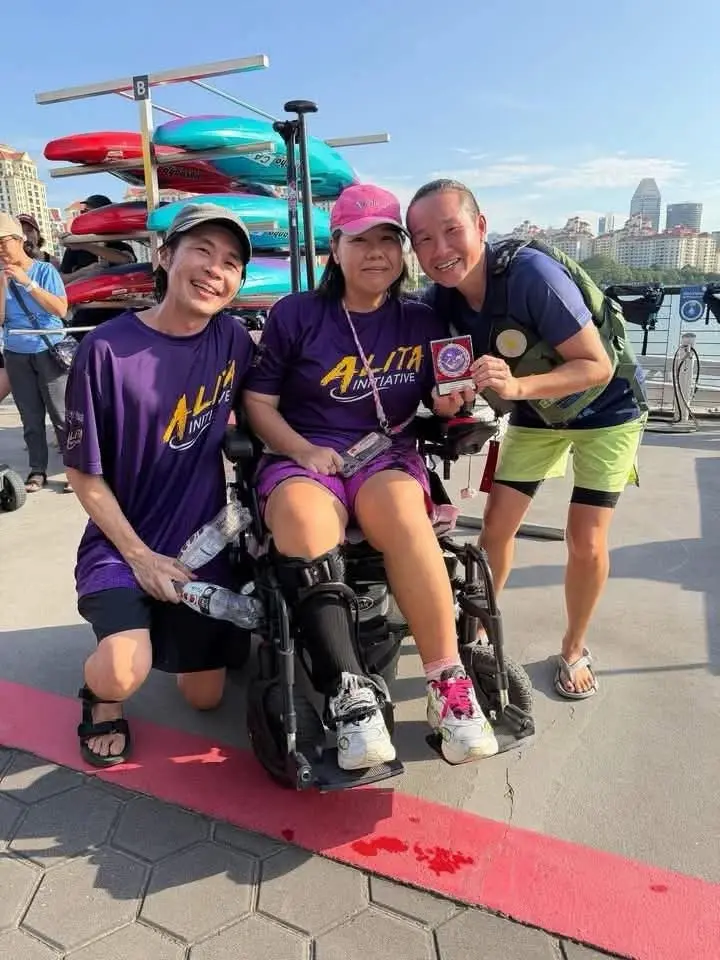
Maya’s involvement as a Paradragon shows another side of her recovery journey. Dragon boating is not only about paddling. It is about teamwork, rhythm, belonging and trust.
For a stroke survivor, taking part in such an activity can be deeply meaningful. It represents inclusion, courage and the willingness to enter new spaces, meet people and participate in life again.
Why Inclusive Fitness Support Matters
Maya’s story also connects with a wider need in Singapore: helping stroke survivors and people with different abilities participate safely and confidently in fitness spaces.
Singapore General Hospital reported on a pilot programme launched by the Singapore National Stroke Association and the Singapore Institute of Technology to equip fitness instructors with skills to better assist stroke survivors and people with disabilities in ActiveSG facilities.
This matters because recovery does not end when formal rehabilitation ends. Many survivors still need safe, understanding and inclusive spaces where they can continue moving, rebuilding and participating in community life.
What Maya Wants People to Understand
- Recovery is often a long journey and looks different for everyone.
- Many challenges are invisible.
- Patience, understanding and encouragement can make a big difference.
- Every small victory deserves respect.
- Progress is possible, even when it feels difficult.
For Stroke Survivors, Caregivers and Families
To someone recovering from stroke or a major health setback, Maya’s message is: “Recovery may be slow but every step forward matters. Be patient with yourself, celebrate small victories and never underestimate your own strength.”
To caregivers, family members and friends, her message is: “Your support, patience and encouragement mean more than you may realize. Being present and believing in someone’s potential can help them continue moving forward.”
Move Better. Rebuild Confidence. Keep Going.
UFitness.sg supports adults, seniors, caregivers and returning exercisers with structured, evidence-informed fitness guidance focused on strength, balance, mobility, confidence and safer movement awareness.
This is not about perfect movement. It is about dignity, confidence, community and the courage to begin again.
Related UFitness.sg Articles
Continue reading related public education resources on stroke awareness, adaptive fitness and active ageing support:
References and Public Education Sources
This article is written for awareness and encouragement, with reference to credible public education resources on stroke recovery, inclusive fitness and active ageing.
- Singapore General Hospital — Pilot programme launched to equip fitness instructors with skills to better assist stroke survivors
- HealthHub Singapore — Stroke: Post-stroke Care
- HealthHub Singapore — Stroke Hub
- Agency for Integrated Care — Age Well
- Inclusive Sports Portal Singapore — Sport, Fitness and Play Opportunities for Persons with Disabilities
This article is for general public education and awareness only. It is not medical advice, diagnosis, treatment, rehabilitation prescription or a promise of recovery. Stroke survivors, seniors, persons with disabilities and individuals returning after surgery should seek clearance and guidance from their doctor, physiotherapist or qualified healthcare professional before starting or resuming exercise. UFitness.sg is not affiliated with or endorsed by the public agencies or resources referenced above; links are provided for public education.